EN
EN SP
SP FR
FR
- Home
- About Us
- Products
- Service
- Project
- News
- Contact Us
Pulished on Aug. 24, 2023
358 security fence, also known as anti-climb fence, is a highly secure perimeter barrier widely used in high security applications. Its name "358" refers to its specific grid configuration in which the horizontal and vertical lines are spaced 3 inches (76.2 mm) apart. Understanding the components and structure of the 358 security fence is critical to understanding its effectiveness and applicability to various security needs.
Screen and Panel Design
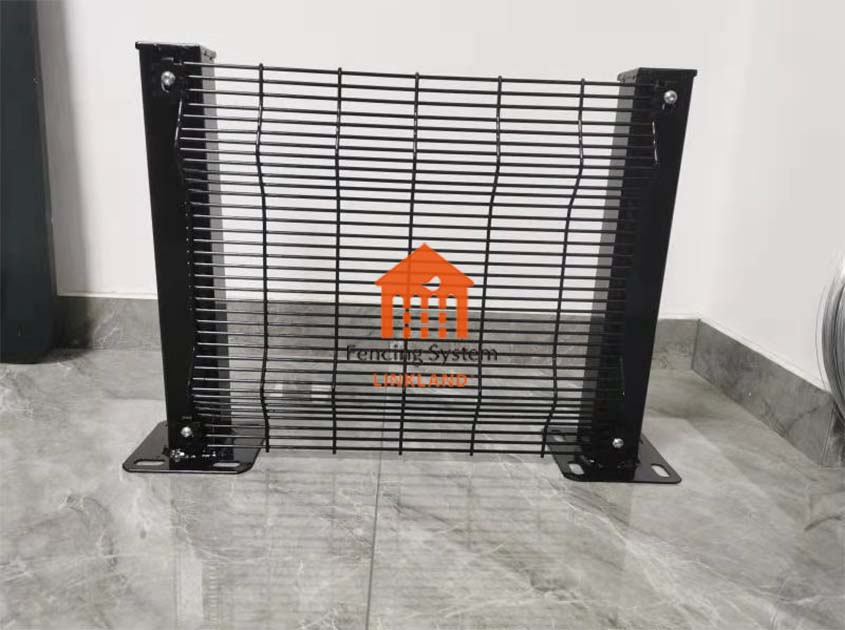
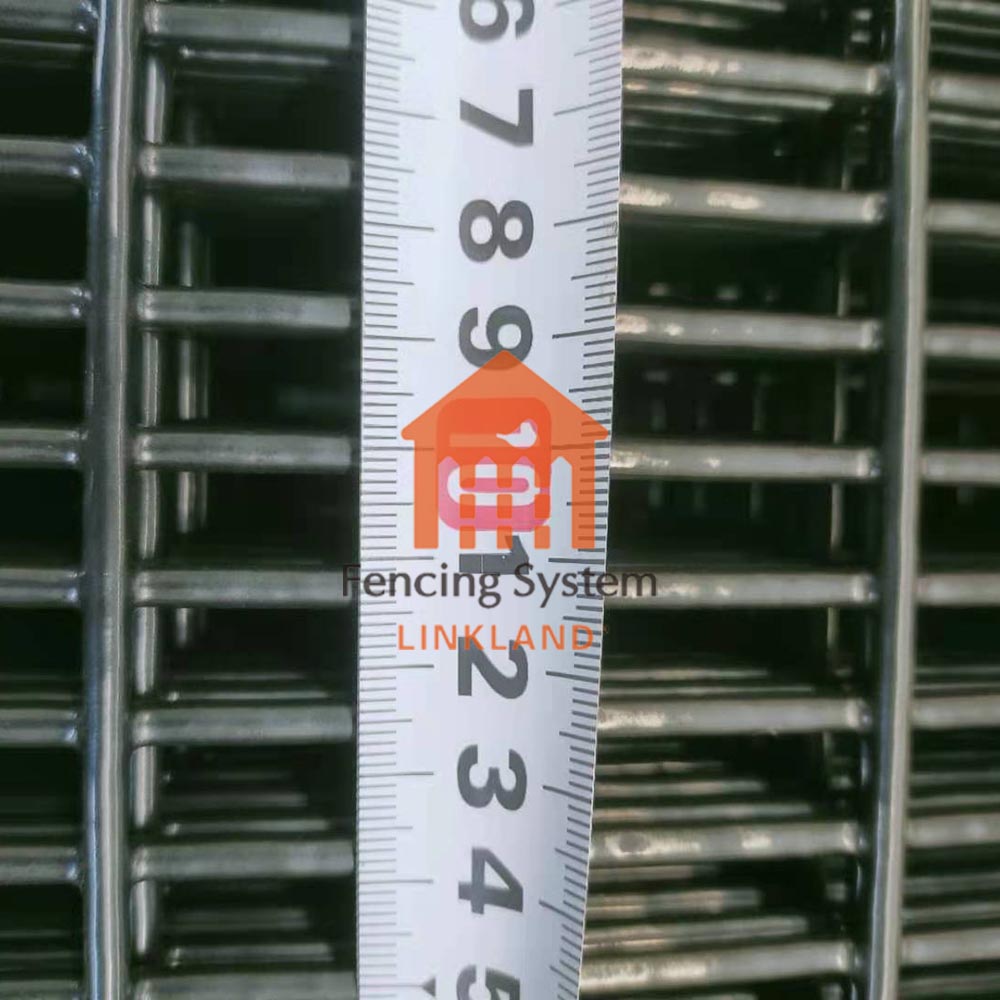
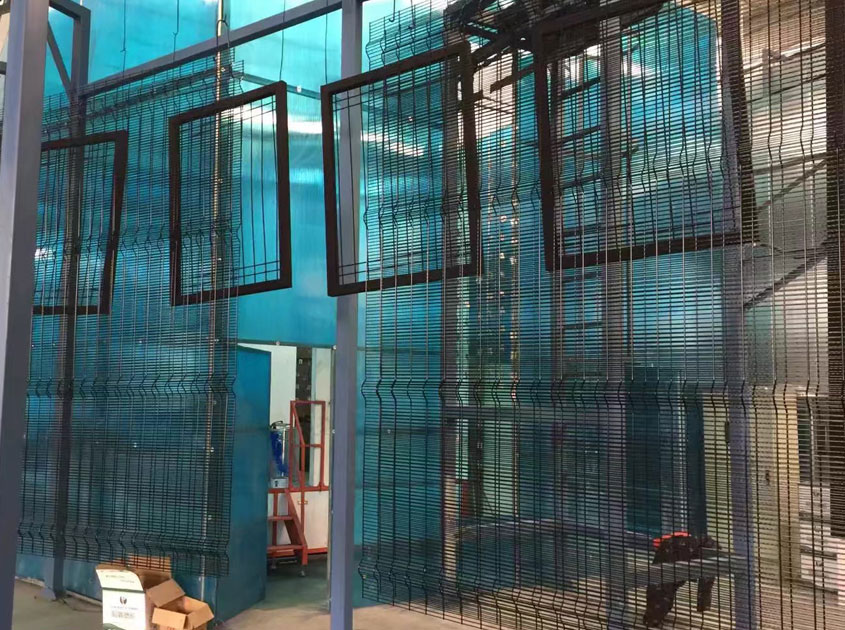
The main component of the 358 security fence is its wire mesh panels. These panels consist of closely spaced vertical and horizontal wires that are welded at each intersection to form a strong and rigid structure. The small mesh size of 3" x 0.5" (76.2mm x 12.7mm) makes it extremely difficult for intruders to gain a foothold or handle, preventing climbing or climbing attempts. The steel wire used is usually 8 or 10 gauge in diameter, further adding to the strength and durability of the fence.
Uprights and Fastening Systems
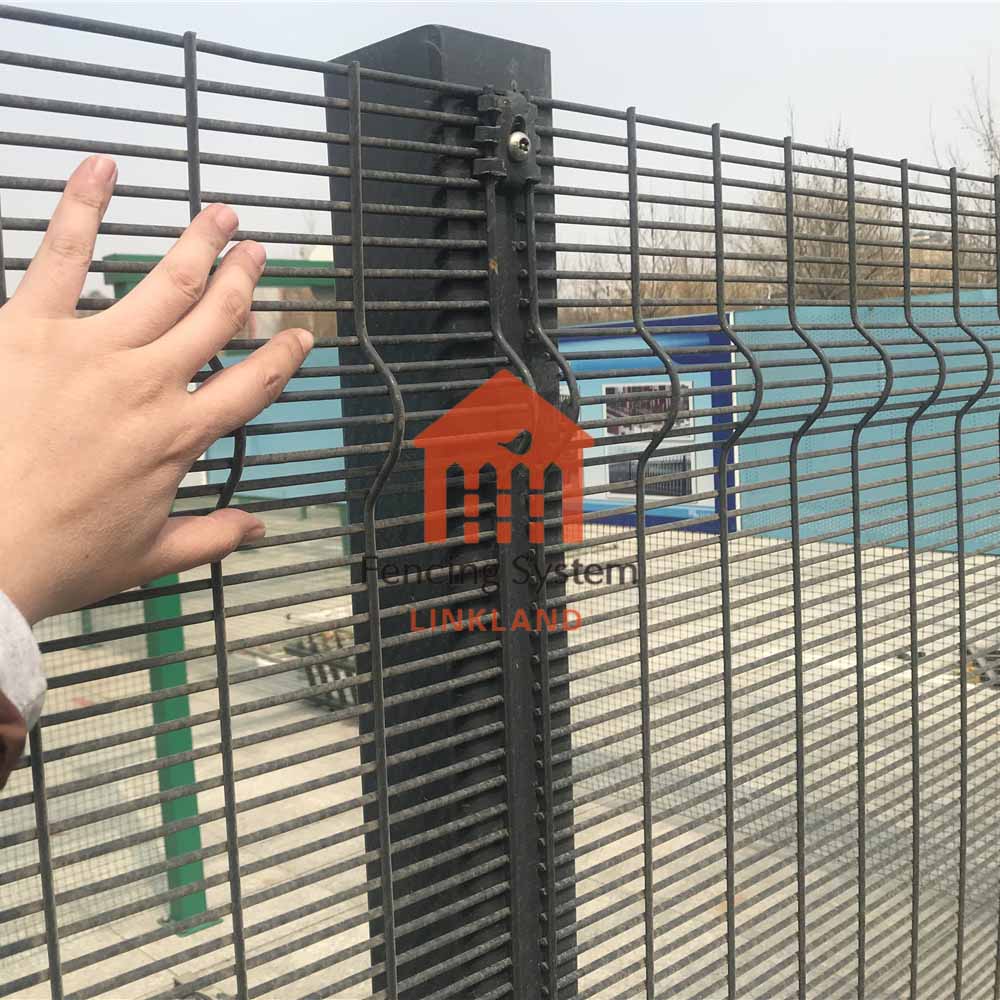
The 358 security fence relies on strong uprights and fastening systems for stability and security. These posts, usually made of steel or aluminum, provide the frame for the fence. They are strategically placed at regular intervals, and their height can be customized to meet specific security requirements. The panels are securely fastened to the posts using special brackets or clamps, which not only provide strength but are also easy to install and maintain.
Top and Additional Safety Features
For enhanced security, 358 security fences usually incorporate additional features on top of the wire mesh panels. These may include anti-climb tops such as barbed wire, razor wire or rotating spikes. These deterrents act as a physical barrier, further deterring any attempts to breach the fence. Additionally, fencing can be integrated with detection systems, CCTV cameras or access control mechanisms to create a comprehensive security solution.
Understanding the components and structure of the 358 security fence reveals its effectiveness in providing a high level of perimeter security. The combination of tightly spaced wire mesh panels, sturdy posts and extra safety features make breaching or expanding challenging. This type of fencing is commonly used in correctional facilities, military installations, airports, data centers, and other critical infrastructure that require stringent security measures. By understanding its structure, security professionals can make informed decisions about how to utilize a 358 security fence for their specific security needs.
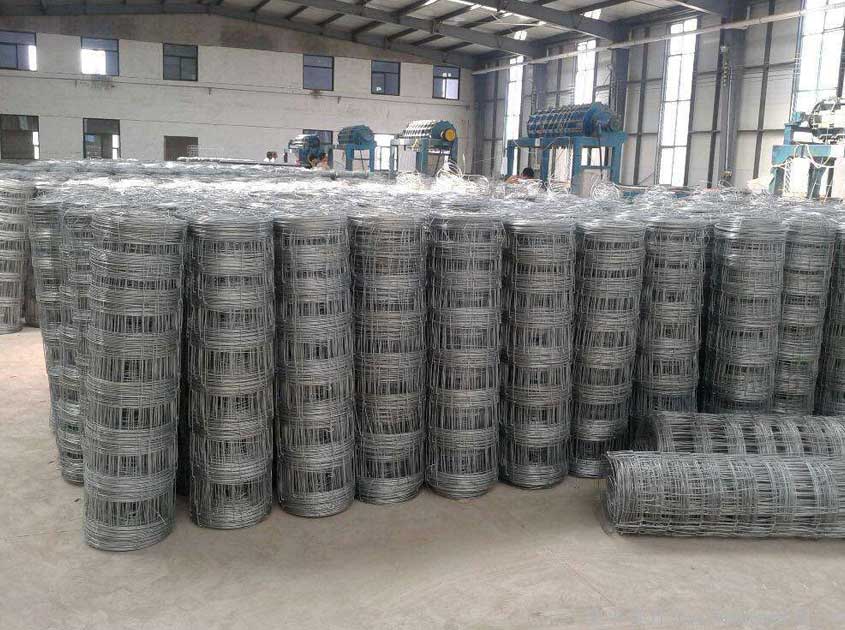
How to Choose Farm Fence for Cattle and Horses: Wire, Height and Design Guide
Pulished on Sep. 23, 2026
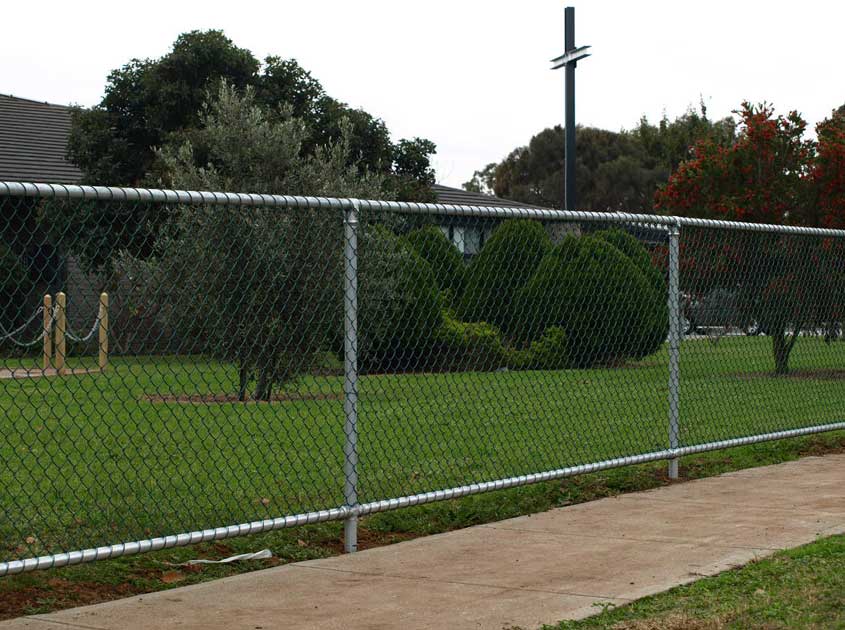
How Is Chain Link Fence Made? Manufacturing Process and Components
Pulished on Sep. 18, 2026
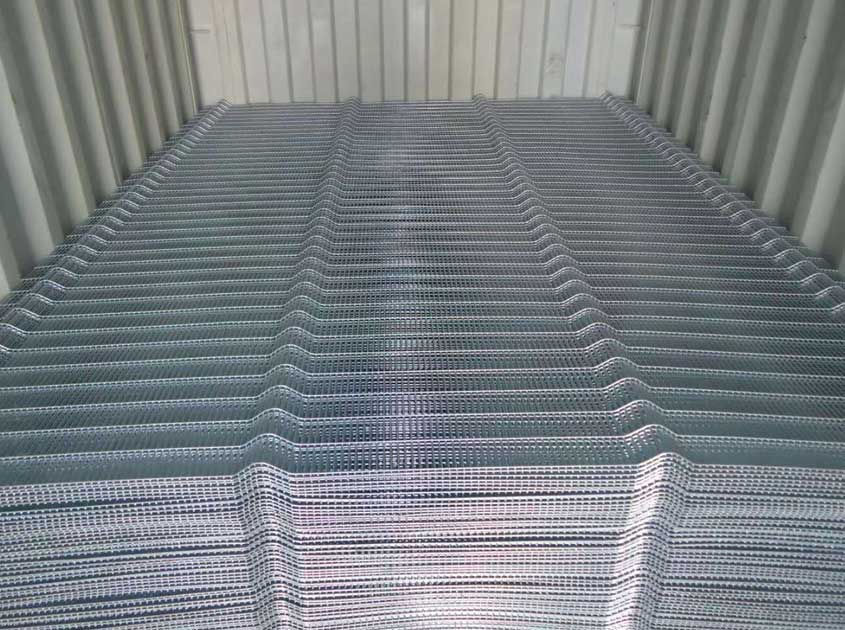
358 Security Fence vs Chain Link Fence: Security, Cost and Application Comparison
Pulished on Sep. 15, 2026
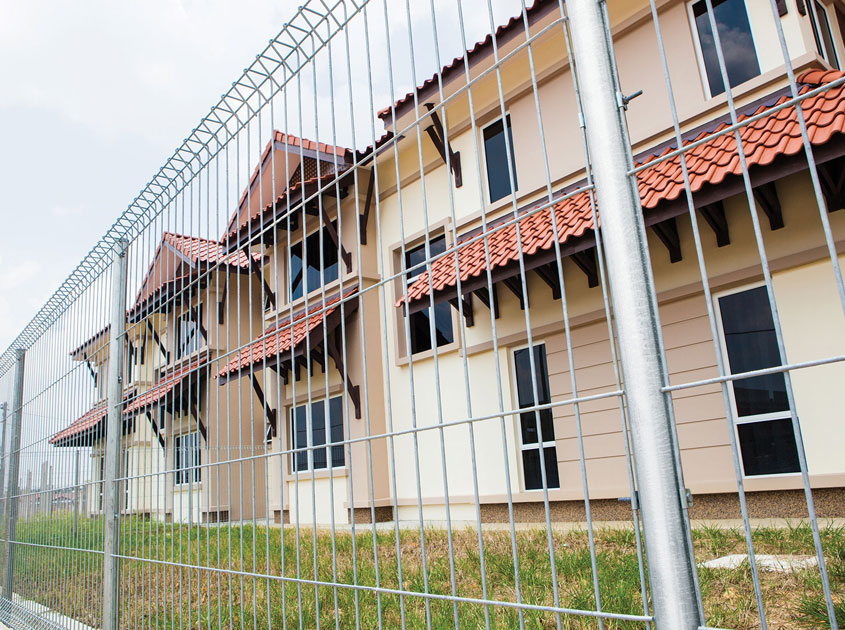
Why Choose Welded Wire Fence for Security and Protection?
Pulished on Sep. 07, 2026
358 Security Fence Specifications and Applications Guide
Pulished on Aug. 27, 2026
What Is Farm Fence and What Are the Main Types?
Pulished on Aug. 26, 2026
Welded Wire Fence Types, Sizes and Applications Guide
Pulished on Aug. 20, 2026
Chain Link Fence Types, Specifications and Applications Guide
Pulished on Aug. 12, 2026
How to Choose Farm Fence for Cattle and Horses: Wire, Height and Design Guide
Pulished on Sep. 23, 2026
How Is Chain Link Fence Made? Manufacturing Process and Components
Pulished on Sep. 18, 2026
358 Security Fence vs Chain Link Fence: Security, Cost and Application Comparison
Pulished on Sep. 15, 2026
Why Choose Welded Wire Fence for Security and Protection?
Pulished on Sep. 07, 2026
358 Security Fence Specifications and Applications Guide
Pulished on Aug. 27, 2026
What Is Farm Fence and What Are the Main Types?
Pulished on Aug. 26, 2026
Welded Wire Fence Types, Sizes and Applications Guide
Pulished on Aug. 20, 2026
Chain Link Fence Types, Specifications and Applications Guide
Pulished on Aug. 12, 2026